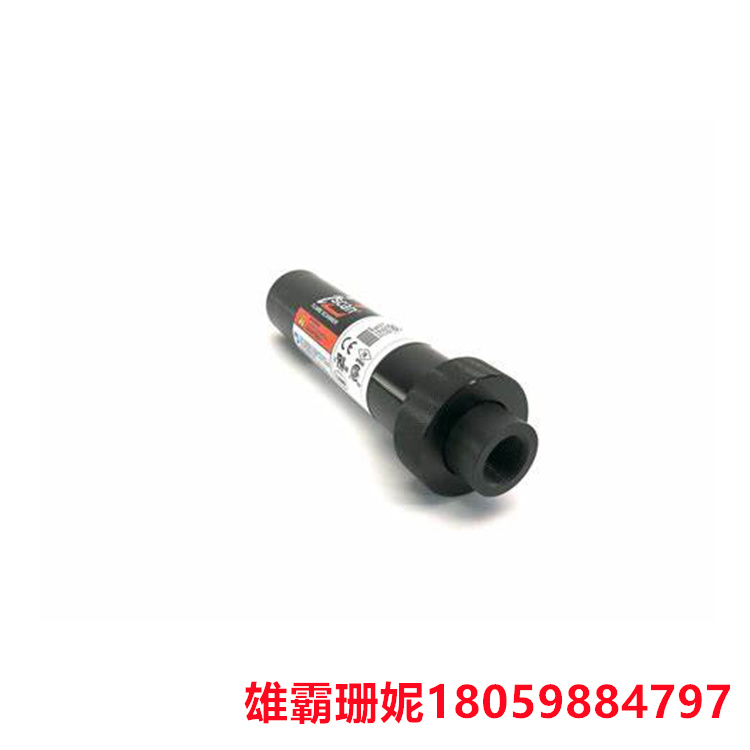
DSF-2000-UV DSF-2000-MB-UV 2653-213-06 数字信号处理器iScan2是一种基于DSP(数字信号处理器)的仪器。 火焰扫描仪使用固态光学探测器来产生模拟信号。光学探测器在紫外和红外光谱下工作。处理器使DSP技术来确定是否存在火焰。火焰扫描仪包含一个自检系统, 每20秒测试一次所有关键部件。自检失败将自动切断内部火焰继电器(如果在冗余火焰中配置了继电器)的电源继电器模式)并激活故障继电器(如果配置为独立火焰/故障继电器模式)。闪烁-闪烁或闪烁频率是指由于燃料的微爆炸而引|起的火焰强度的调制。
fport -火焰探测器的响应时间-从火焰强度上升超过用户可调阈值到火焰继电器触点关闭的时间。
FDRT一火焰探测器响应时间一 从感觉到火焰消失 到发出指示火焰消失的信号之间的一段时间。
MFFRT -边际火焰失效响应时间-从火焰强度低于用户可调阈值到火焰继电器触点打开的时间。
EASI--电子辅助视力指示器是指位于非危险区域车型背面的红色LED(发光二_极管), 它闪烁以指示火焰强度。当没有火焰时,LED大约每秒闪烁1次。当火焰存在时,LED的闪烁频率与火焰强度成正比。在佳瞄准和扫描仪增益时,LED每秒闪烁约30次。 如果LED亮或灭,则扫描仪有故障,不应使用。
DSFComm -这个首字母缩略词代表数字扫描火焰探测器通信软件。增益当一个信号被放大时,增益是放大后的信号相对于原始信号的比率。辨别能力一是呕分多重 火焰的能力。一个很好的辨别的例子是,当MB扫描仪能够识别与其他燃烧器的主要燃料火焰在背景中的飞行员火焰。主(背影)火焰的状态不影响检测先导火焰(开或关)的能力
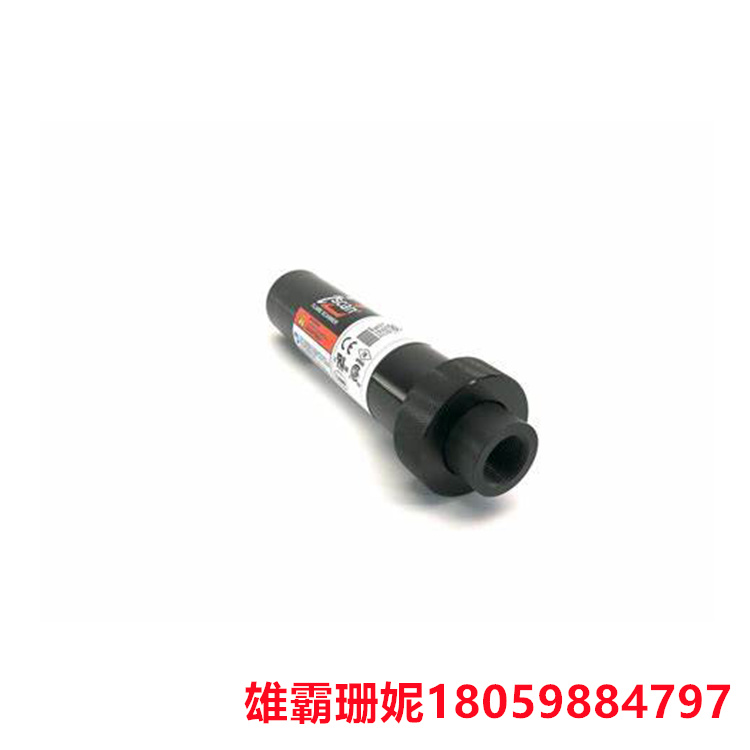 IScan2 is an instrument based on DSP (Digital Signal Processor). The flame scanner uses solid-state optical detectors to generate analog signals. The optical detector operates in both ultraviolet and infrared spectra. The processor uses DSP technology to determine the presence of flames. The flame scanner includes a self checking system that tests all critical components every 20 seconds. A self test failure will automatically cut off the power relay mode of the internal flame relay (if a relay is configured in a redundant flame) and activate the fault relay (if configured as an independent flame/fault relay mode). Flicker - Flicker or flicker frequency refers to the modulation of flame intensity caused by fuel micro explosions.
Fport - Response time of the flame detector - The time from when the flame intensity rises above the user adjustable threshold to when the flame relay contacts close.
The response time of the FDRT flame detector is the period between feeling the flame disappearing and issuing a signal indicating the flame disappearing.
MFFRT - Marginal Flame Failure Response Time - The time from the flame intensity below the user adjustable threshold to the opening of the flame relay contact.
EASI - Electronic Assisted Vision Indicator refers to the red LED (Light Emitting Diode) located on the back of non hazardous area vehicle models, which flashes to indicate flame intensity. When there is no flame, the LED flashes approximately once per second. When a flame exists, the flashing frequency of the LED is directly proportional to the flame intensity. At optimal aiming and scanner gain, the LED flashes approximately 30 times per second. If the LED is on or off, the scanner is faulty and should not be used.
DSFComm - This acronym represents digital scanning flame detector communication software. Gain When a signal is amplified, gain is the ratio of the amplified signal to the original signal. The first ability to distinguish is the ability to distinguish multiple flames. A good example of discrimination is when the MB scanner is able to identify pilot flames in the background with the main fuel flames of other burners. The state of the main (back) flame does not affect the ability to detect the pilot flame (on or off)


 扫一扫咨询微信客服