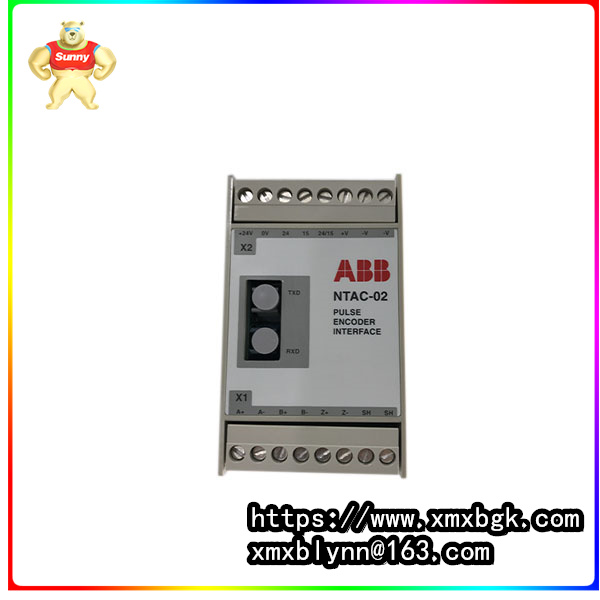
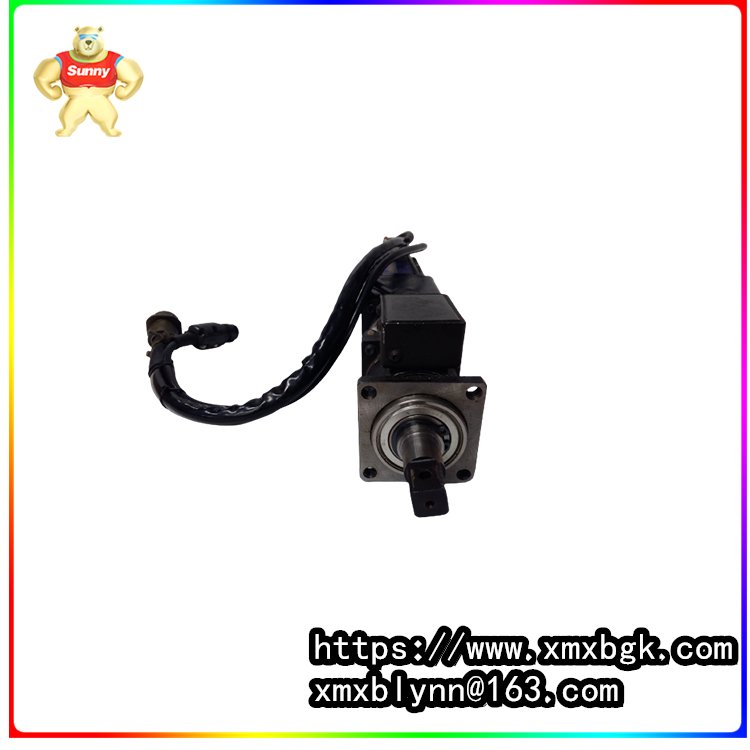
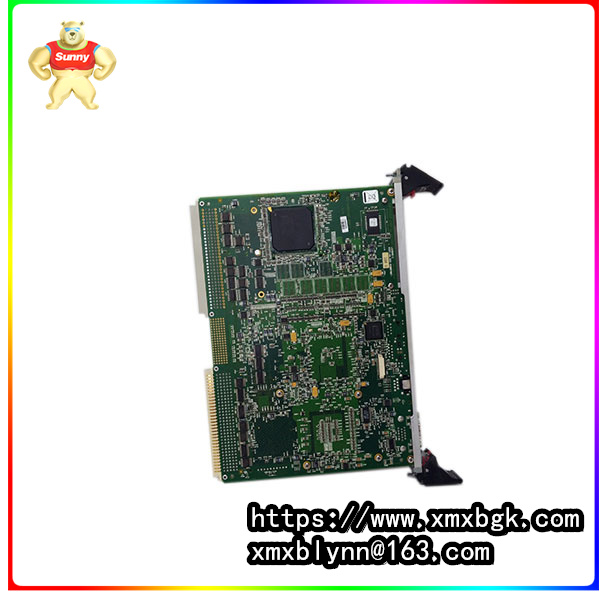
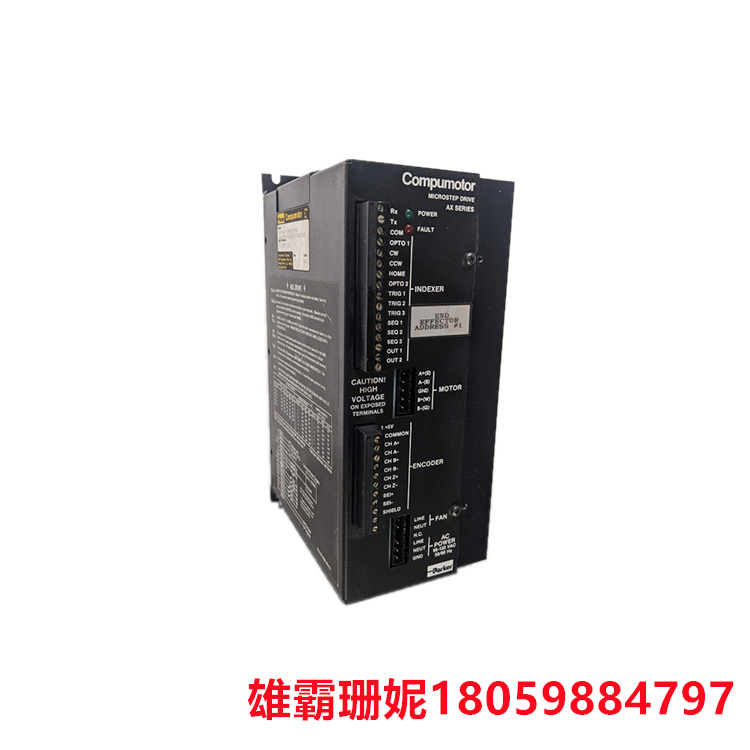
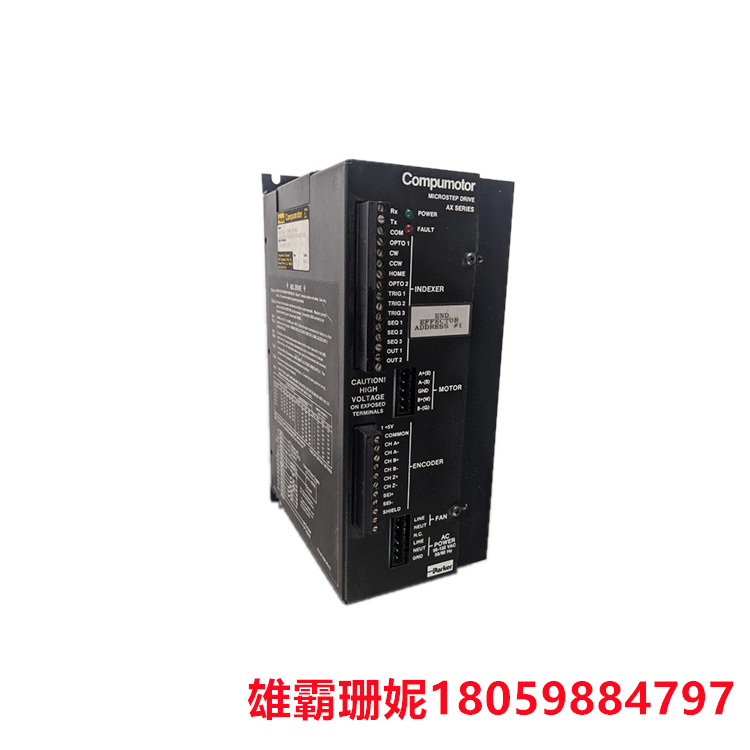
伺服驱动器又称为”伺服控制器”、"伺服放大器” ,工作原理是用来控制伺服电机的一种控制器,其作用类似于变频器作用于普通交流马达,属于伺服系统的一部分,主要应用于高精度的定位系统。一般是通过位置、 速度和力矩三种方式对伺服电机进行控制, 实现高精度的传动系统定位,目前是传动技术的高端产品。 是通过放大plc发出的脉冲信号来驱动? 不是简单放大,PLC输出的只方波,而驱动器输出的是正弦波。可以理解成PLC的脉冲是伺服驱动器的工作指令,好比领导的工作指示,伺服驱动器是给领导干活的干事,领导要求干事的这么干,干事的具体如何做还是要自己动脑筋的。伺服驱动器,可以理解成一一个能满足伺服电机工作的交流电源,它驱动伺服电机时候,并环是直接把PLC的脉冲简单放大而是理解这些脉冲是做什么的,然后通过PWM方式模拟输出正弦波来控制伺服电机工作。 Servo driver, also known as "servo controller" The working principle of "servo amplifier" is a controller used to control servo motors. Its function is similar to that of a frequency converter acting on ordinary AC motors, and it is a part of the servo system. It is mainly used for high-precision positioning systems. Generally, the servo motor is controlled through three methods: position, speed, and torque to achieve high-precision positioning of the transmission system. Currently, it is a high-end product of transmission technology. Is it driven by amplifying the pulse signal emitted by the PLC? Not simply amplifying, the PLC outputs only square waves, while the driver outputs sine waves. It can be understood that the pulse of PLC is the work instruction of the servo driver, similar to the work instruction of the leader. The servo driver is for the leader to work on the task, and the leader requires the task to be done in this way. It is up to oneself to think about how to do the specific task. The servo driver can be understood as an AC power supply that can meet the working requirements of the servo motor. When driving the servo motor, it simply amplifies the PLC pulses and understands what these pulses do. Then, it simulates the output sine wave through PWM to control the servo motor's operation


 扫一扫咨询微信客服